
What to expect
Buddhist Heritage & Archaeological Tour of
Afghanistan
Following the Ancient Buddhist Heritage of the Silk Road
This 10-day journey explores some of Afghanistan’s most important Buddhist archaeological and cultural heritage
sites, following the ancient Silk Road through Kabul, Bamyan, Ghazni, Parwan, and Nangarhar.
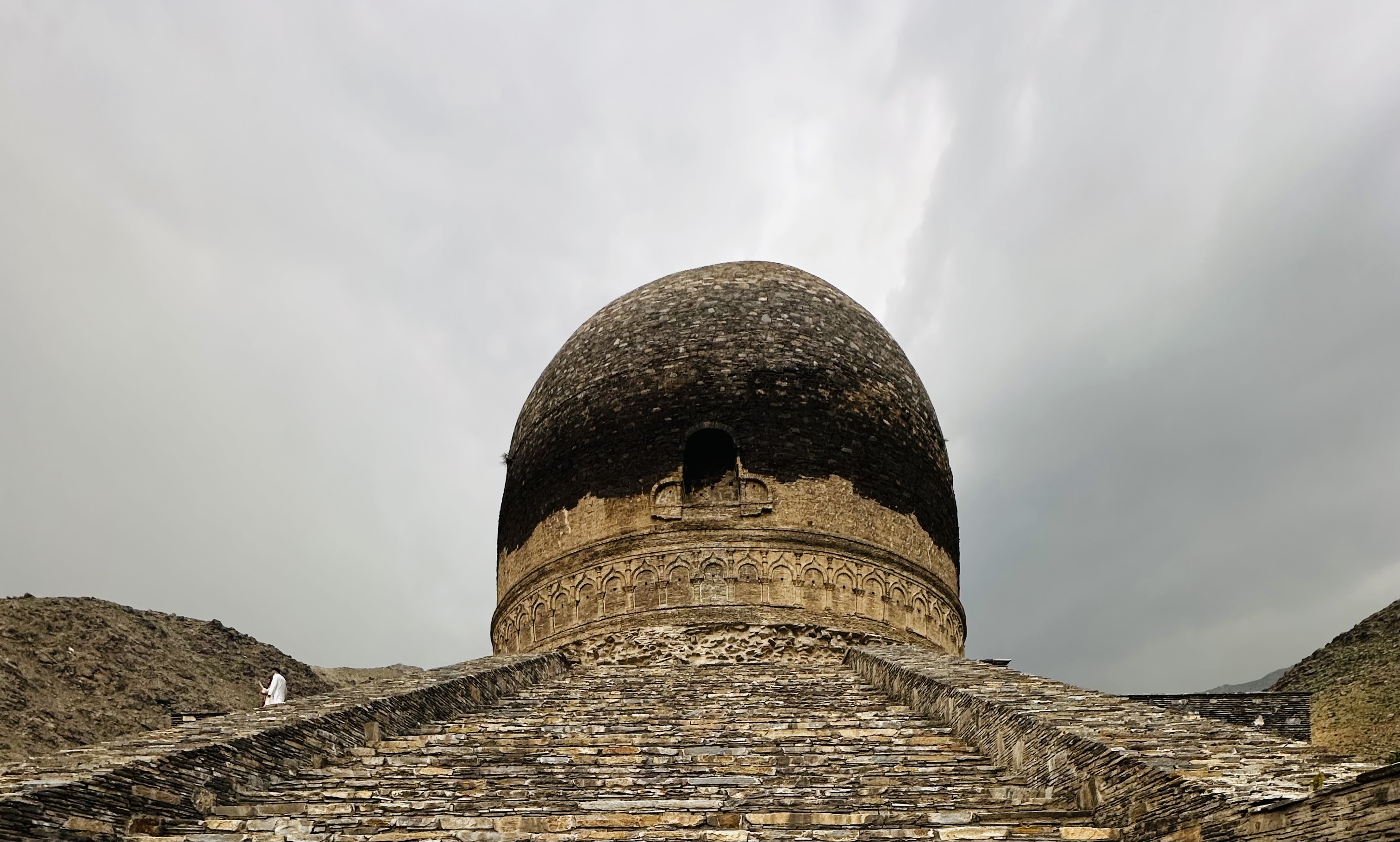
The tour introduces travelers to ancient stupas, monasteries, Buddhist sculptures, rock-cut monuments, caves,
and the remains of important Buddhist centers that connected India, Central Asia, and Afghanistan.
Your itinerary
Arrival in Kabul
Arrive at Kabul International Airport.
Meet your local guide and transfer to the hotel.
After check-in and rest, enjoy a short introduction to Afghanistan’s ancient history and the important role Buddhism
played in the region.
Overnight: Kabul
Explore Kabul’s Buddhist Heritage
After breakfast, begin exploring Kabul and its archaeological heritage.
National Museum of Afghanistan
Visit the National Museum and explore its important collections of ancient Afghan civilizations, including Buddhist
sculptures and Gandharan art.
Shewaki / Shabahar Buddhist Site
Continue to Shewaki, southeast of Kabul, to explore the remains of the ancient Buddhist complex and stupa,
subject to access. Learn about the development of Buddhism in the Kabul region and its connection with the wider
Gandharan cultural world.
Return to Kabul in the evening.
Overnight: Kabul
– Kabul to Bamyan
After breakfast, depart Kabul for Bamyan.
Drive time: Approximately 4–5 hours.
Travel through the spectacular landscapes of the Hindu Kush while learning about the ancient routes that
connected Afghanistan with India, Central Asia, and China.
Arrive in Bamyan and check in to the hotel.
Depending on arrival time, enjoy a short walk through Bamyan Valley.
Overnight: Bamyan
The Buddhas of Bamyan & Buddhist Caves
Full day exploring the Buddhist heritage of Bamyan.
Buddhas of Bamyan
Visit the famous cliff containing the two colossal Buddha niches.
The two monumental standing Buddhas were approximately 38 and 55 metres high and were
surrounded by numerous caves, chapels and painted religious spaces. Bamyan developed into one of
the great Buddhist artistic and religious centers of Afghanistan.
Explore:
• Eastern Buddha niche
• Western Buddha niche
• Monastic caves
• Buddhist meditation caves
• Remains of wall paintings
• Ancient religious and architectural features of the cliff
Continue toward the Kakrāk and Foladi valleys, where accessible, to learn about the wider Buddhist
landscape surrounding Bamyan.
Bamyan’s Buddhist remains demonstrate a fascinating mixture of Indian, Central Asian, Gandharan
and local artistic traditions.
Overnight: Bamyan
Bamyan to Samangan / Aybak
After breakfast, depart Bamyan and travel north toward Samangan Province.
The journey follows the historic landscape connecting central Afghanistan with northern Afghanistan
and the ancient routes toward Bactria and Central Asia.
Arrival in Aybak, the capital of Samangan Province.
Depending on arrival time, visit the surrounding archaeological landscape.
Overnight: Samangan / Aybak
Takht-e Rostam & Buddhist Heritage of Samangan
Today is dedicated to one of Afghanistan’s most remarkable Buddhist monuments.
Takht-e Rostam
Visit Takht-e Rostam, located near Aybak.
This extraordinary monument consists of a rock-cut Buddhist stupa and monastery, dating
approximately to the 4th–5th centuries CE. The stupa was carved directly into the rock and is
considered unique among Afghanistan’s Buddhist monuments.
Explore:
• Rock-cut stupa
• Buddhist monastery
• Meditation spaces
• Rock-cut chambers
• Ancient architectural details
• Surrounding archaeological landscape
We will discuss the development of Buddhism in northern Afghanistan and the connection between the
Buddhist traditions of Bamyan, Bactria and the wider Central Asian world.
Overnight: Samangan / Aybak
Samangan to Kabul
After breakfast, begin the return journey to Kabul.
The route provides an opportunity to discuss the ancient Buddhist networks that once connected
northern Afghanistan with Kabul, Bamyan, Gandhara and Central Asia.
Arrival in Kabul in the evening.
Overnight: Kabul
Parwan Buddhist Heritage
Today travel north of Kabul toward Parwan, an important region of ancient Buddhist activity.
Visit the archaeological remains of Buddhist stupas and monastic complexes in the Parwan/Kapisa
region.
The wider area around Bagram and Parwan contained several important Buddhist monasteries and
stupas. Archaeological discoveries include Buddhist sculptures, reliefs, reliquaries and monastic
remains.
Depending on site access and local conditions, explore the available Buddhist archaeological remains
and discuss the historical connection between Kapisa, Bagram, Kabul and the Gandharan cultural
world.
Return to Kabul.
Overnight: Kabul
Kabul to Ghazni – Tapa Sardar
Early morning departure from Kabul toward Ghazni.
Tapa Sardar Buddhist Monastery
Visit Tapa Sardar, one of Afghanistan’s most important Buddhist archaeological sites.
The site was a major Buddhist monastery complex with a large stupa, smaller stupas, sanctuaries,
sculptures and painted religious spaces. Archaeological research indicates that the complex was used
over several centuries, with major activity from approximately the 3rd to 8th centuries CE.
One of its most remarkable discoveries was a large reclining Buddha, approximately 15 metres long.
Explore the archaeological remains and learn about the transition and interaction between Buddhist
and Brahmanical religious traditions in late antique Afghanistan.
After the visit, return to Kabul.
Overnight: Kabul
Departure from Kabul
After breakfast and depending on your flight schedule, transfer to Kabul International Airport.
End of the Buddhist Heritage & Archaeological Tour of Afghanistan.
Included
- Transportation
- Guide
- Entry fee
- Permit
- Hotel accommodation
- Meals
Not included
- Tip
- Visa cost
- Any personality cost