Culture & Heritage
Discover Afghanistan's rich cultural heritage through it's historic landmarks, traditional crafts, architecture and living traditions.

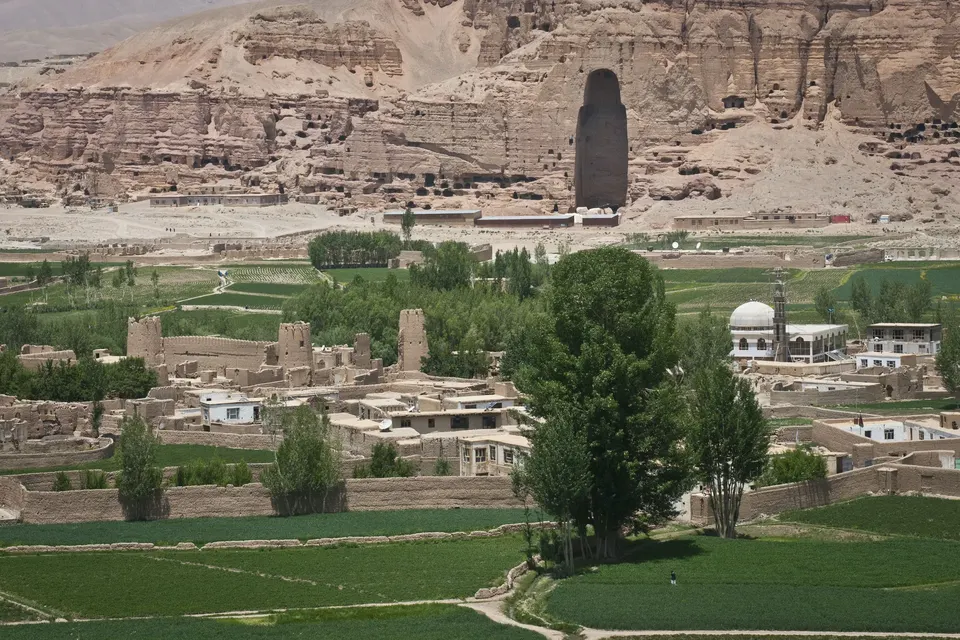
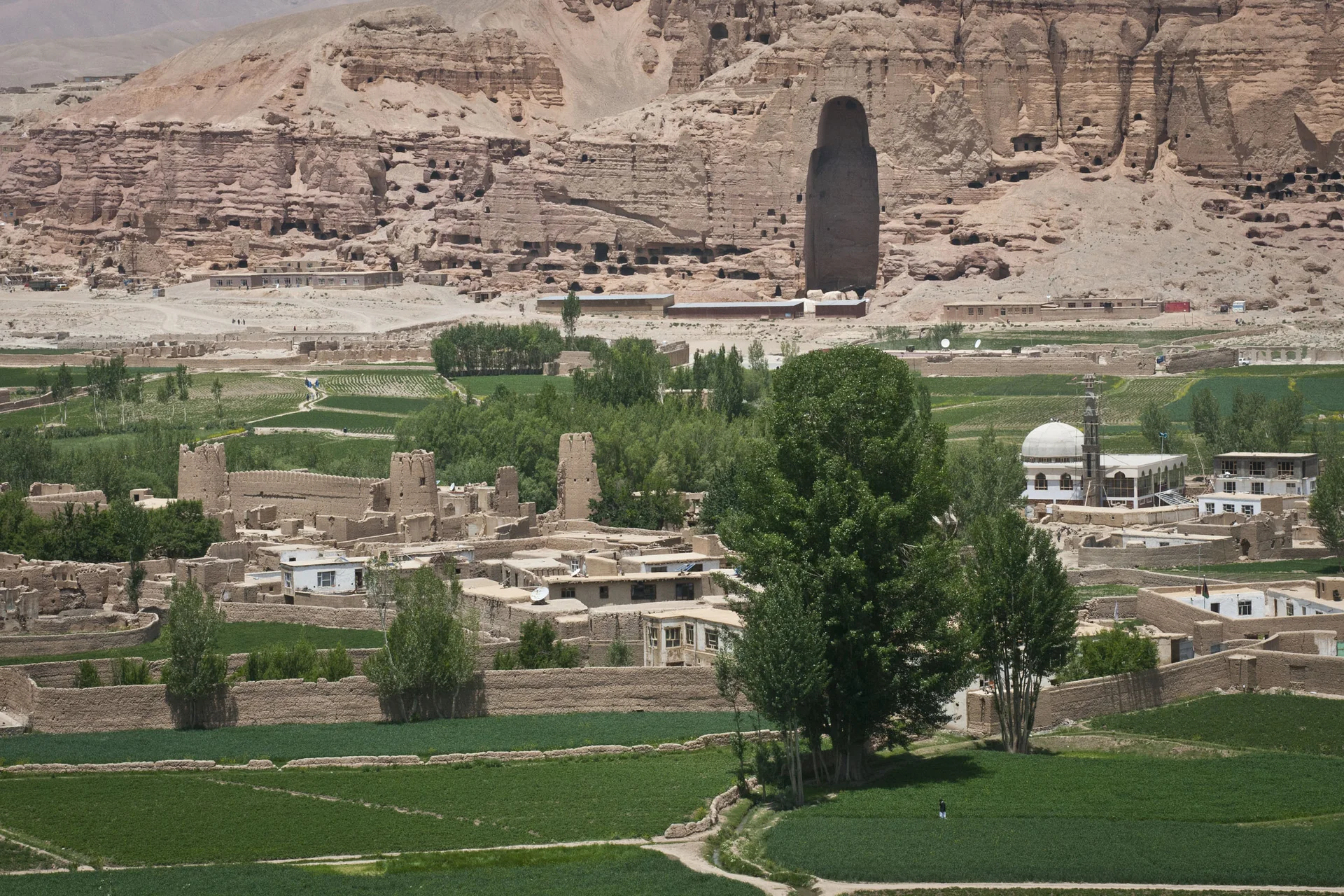 Bamyan Valley and the empty niche of the larger Buddha
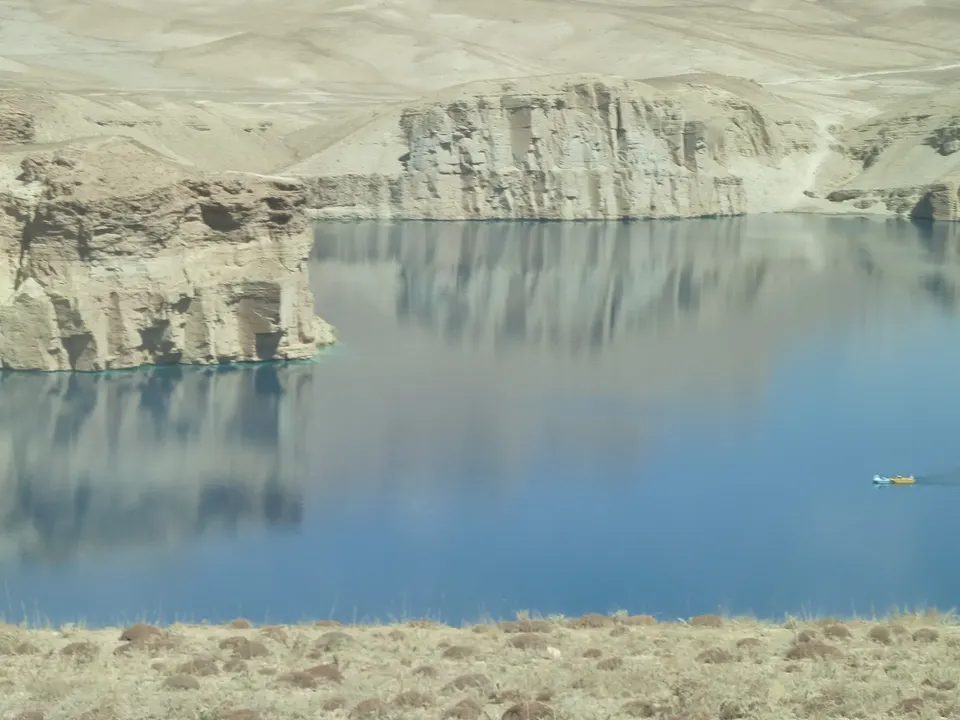
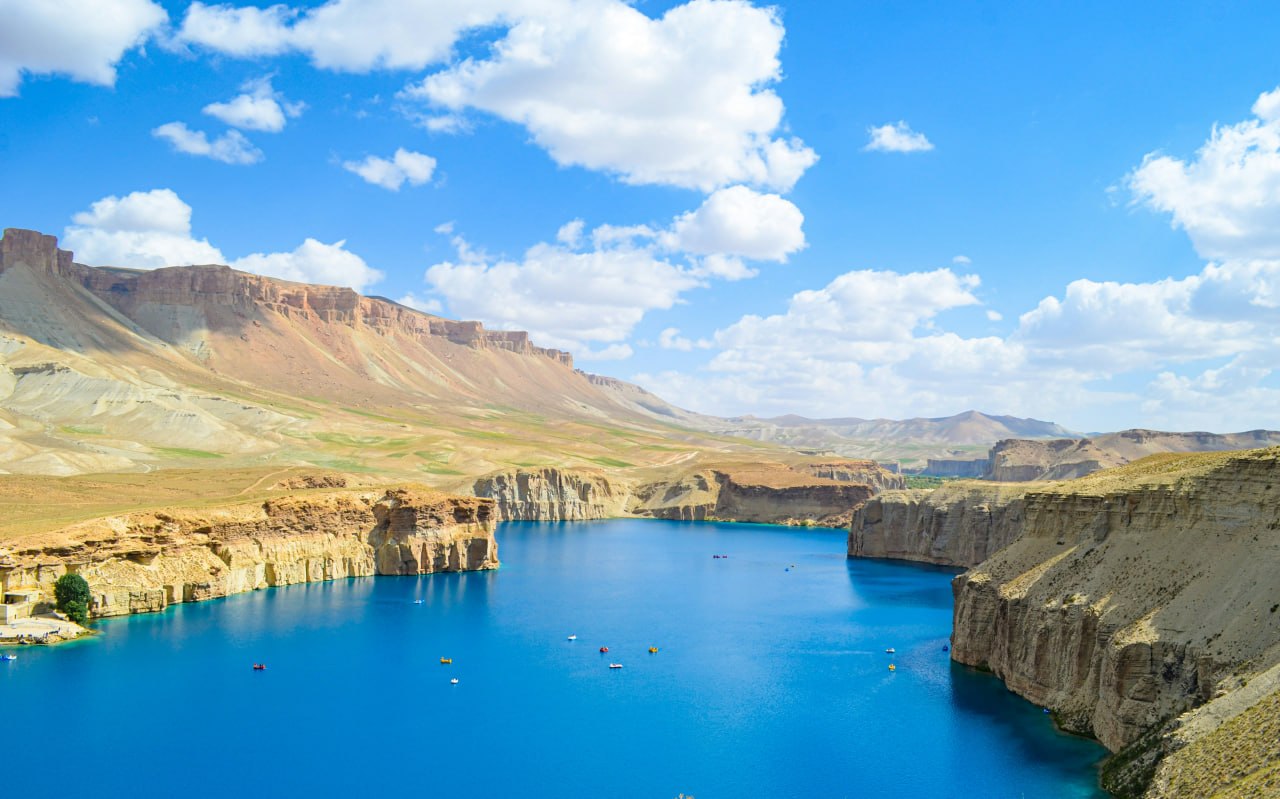
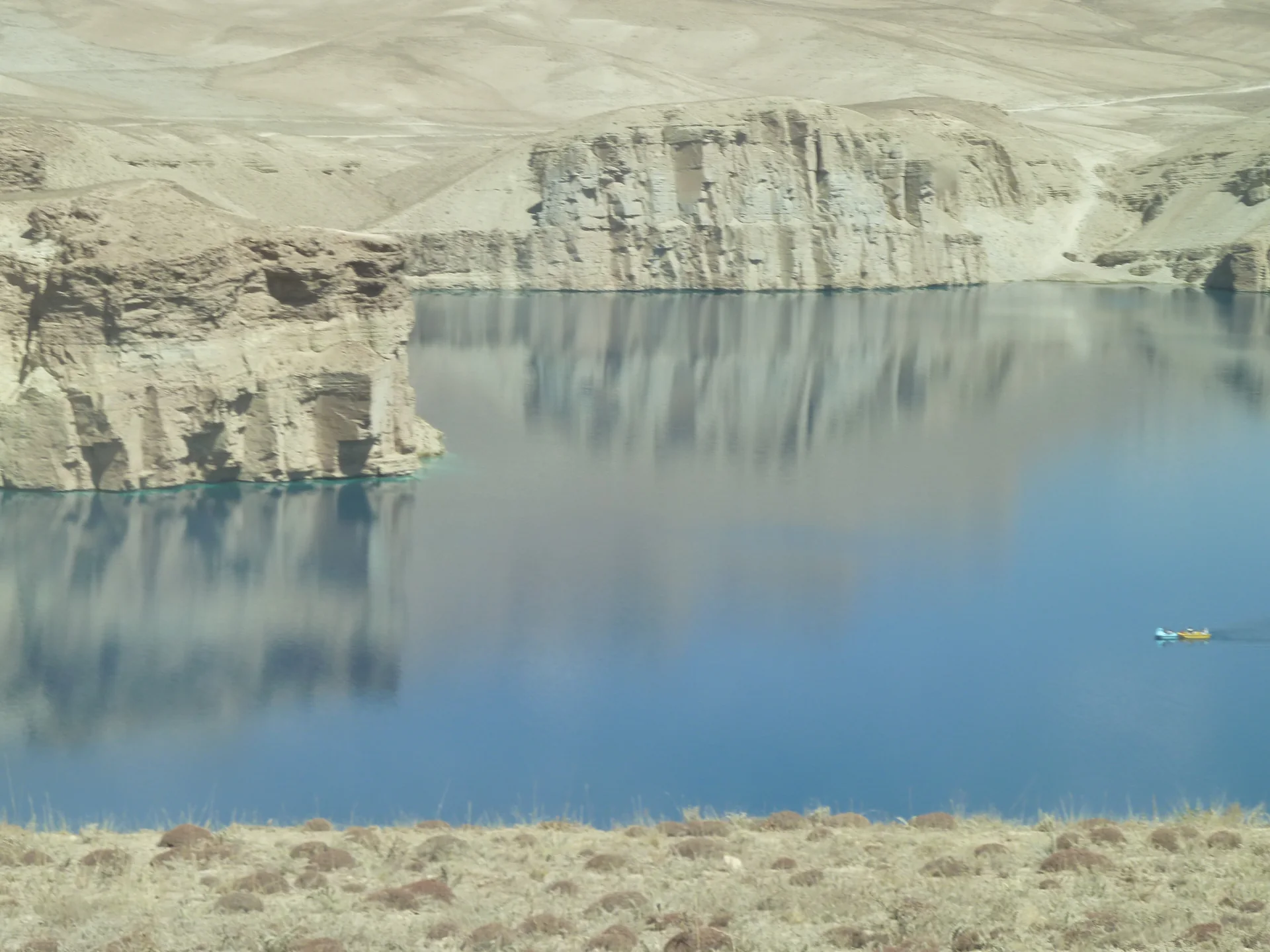 Band-e-Amir lake beneath limestone cliffs
gallery · 2
Discover the breathtaking heart of Hindu Kush. Banyan is a magical blend of dramatic landscapes, ancient history, and the legendary warmth of the Hazara people. From the echoes of the silk road to the surreal blue lakes of band_e_Amir, your adventure begins here.
Banyan is not just a destination; it's a journey through time. Nestled in the heart of the Hindu Kush, this enchanting valley offers a mesmerizing blend of ancient history, dramatic landscapes, and the warm hospitality of the local people. Explore the hauntingly beautiful Cliffs where the giant buddhas once stood, wander through the ancient ruins of shahr-e Gholghola, and let the serene beauty of this UNESCO world heritage site capture your heart. Whether you seek adventure, culture, or peace, Banyan is a memory waiting to be made.
Discover a mountain valley where cliffside archaeology, fortress ruins and rural landscapes reveal different chapters of Afghanistan's Silk Roads heritage.
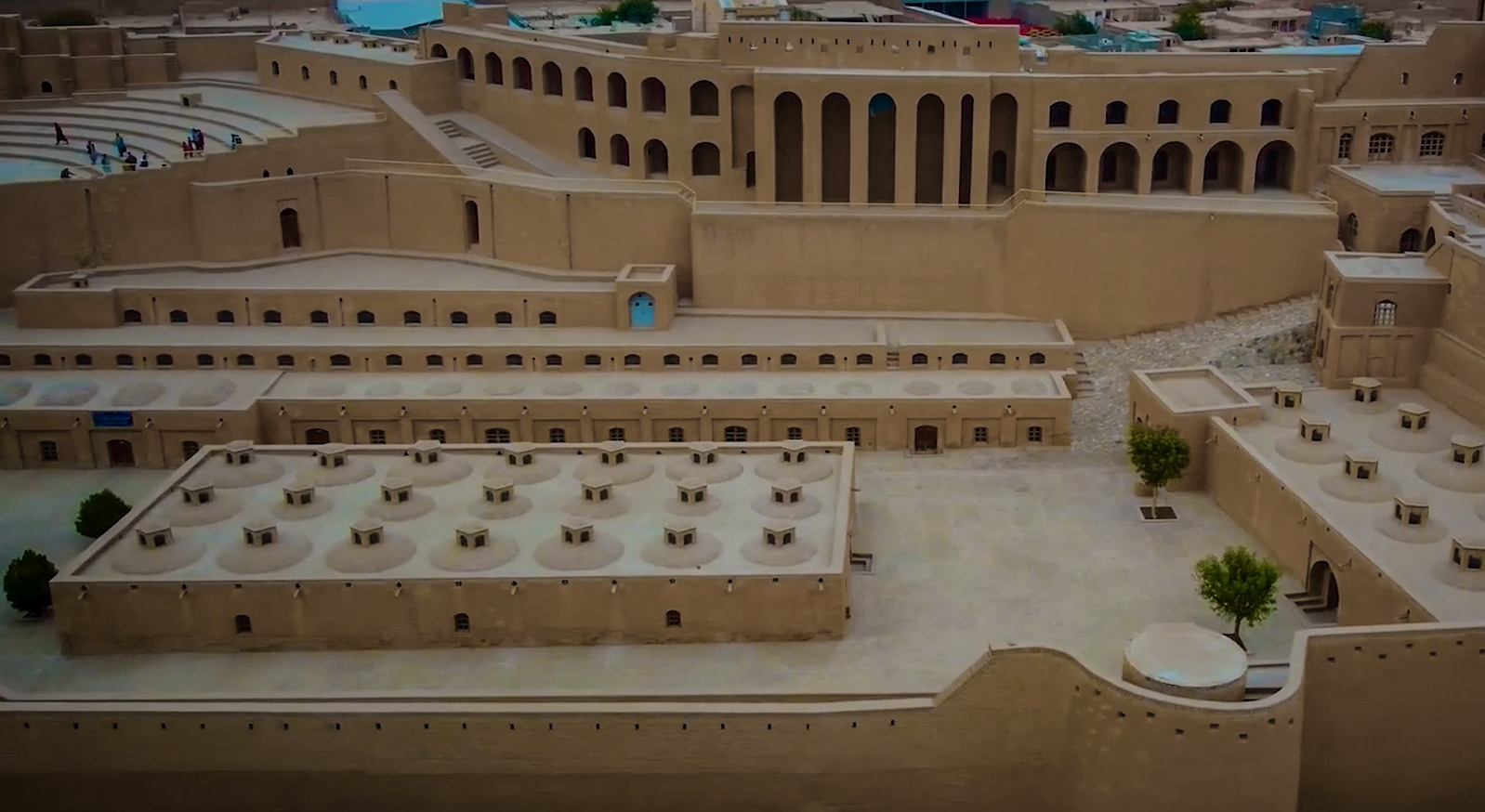
Bamyan's UNESCO cultural landscape brings together Buddhist cave complexes and later fortified settlements. The Buddha niches, traces of cave painting and sites such as Shahr-e Gholghola tell a layered story of the valley.
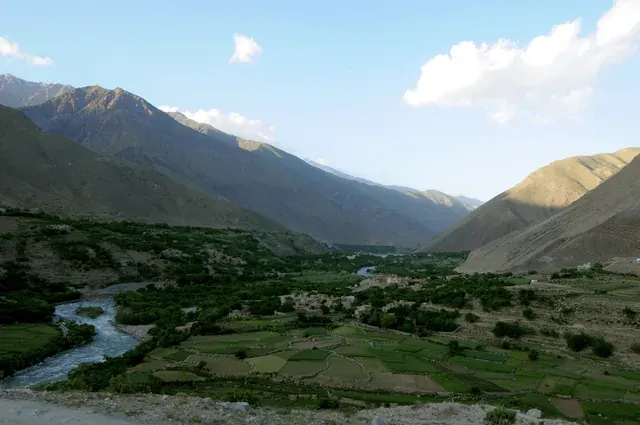
High cliffs frame a broad valley in the Hindu Kush. Fields, villages and the mountain setting are part of the cultural landscape surrounding the archaeological sites.
Bamyan's craft traditions include carpet weaving and other local arts. The city joined UNESCO's Creative Cities Network for Crafts and Folk Art in 2015. Ask our team about opportunities to learn about local craftsmanship.
The valley combines Buddhist archaeological remains with fortified sites from later periods. Its setting helps explain how ideas and travellers moved through the region over many centuries.
Allow time for the main cliff area and the valley's wider landscape. Site access, conservation work and the day's route should be checked before a programme is confirmed.
Begin with an orientation to the valley, then consider the cliff area and archaeological viewpoints that are accessible on the agreed date.
Discuss a programme around the valley's fortress remains and landscape, with time for photography and an unhurried return.
A highland valley shaped by Buddhist heritage, cliffside archaeology and the history of the Silk Roads.
No. This is destination information and a suggested planning outline. Access, dates, services and a quotation must be checked and agreed separately.
Discover the breathtaking heart of the Hindu Kush. Explore the legendary Buddha niches and witness the surreal, Sapphire-blue lakes of Band-e-Amir in this unforgettable 3-day …
Immerse yourself in the legendary history of Afghanistan. From the bustling bazaars of kabul to the ancient Silk Road cities of Banyan and Herat, and …
Keep exploring
Step into a surreal Oasis in the heart of the Hindu Kus, Band-e- Amir is Afghanistan's first national park, featuring six jaw-dripping, Sapphire-blue lakes separated by natural travertine dams. it is a breathtaking masterpiece of nature that will leave you absolutely speechless.
Explore